Health & Wellbeing
Coronary Artery Disease: A Silent Threat That Can Strike Without Warning
Precision Health ·
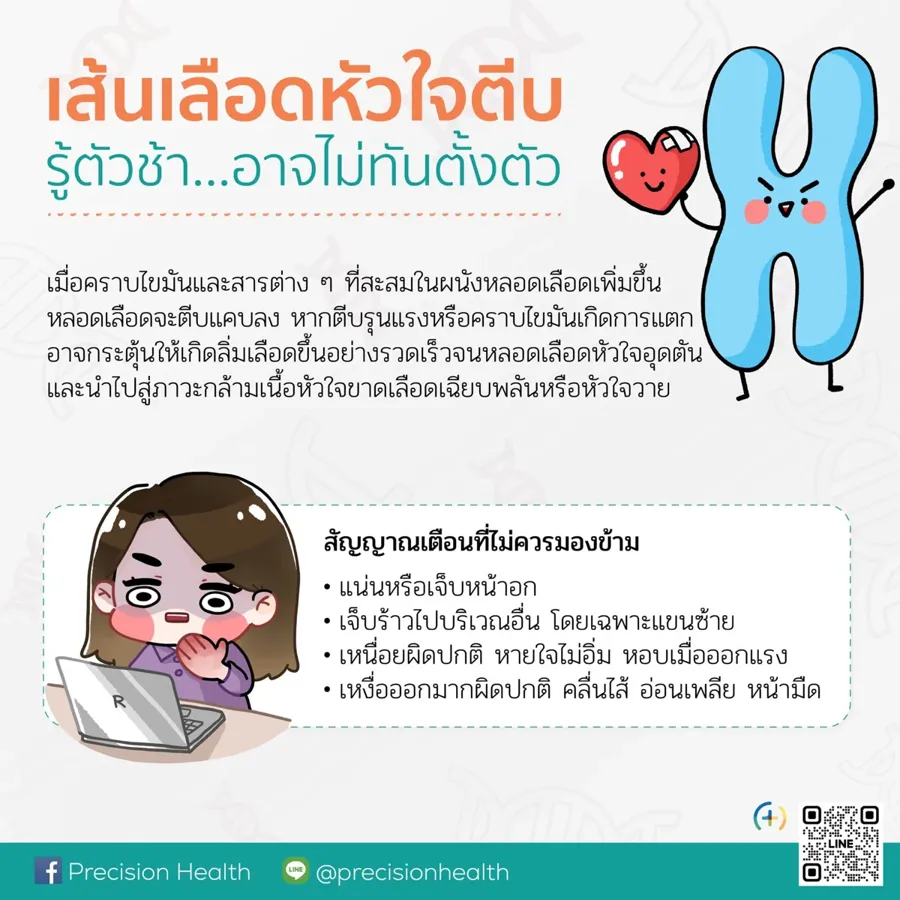
Coronary artery disease (CAD) can develop gradually without noticeable symptoms. As plaque—made up of cholesterol, fat, and other substances—builds up in the artery walls, the coronary arteries gradually become narrowed, reducing blood flow and oxygen supply to the heart muscle.
If the artery becomes severely narrowed or a plaque ruptures, a blood clot may form rapidly, causing a sudden blockage of the coronary artery. This can lead to an acute myocardial infarction (heart attack), which can be life-threatening.
Warning Signs You Should Not Ignore
- Chest pain or pressure: A feeling of heaviness, squeezing, or pressure in the chest, particularly during physical activity.
- Pain that spreads to other areas: Pain may radiate to one or both arms, especially the left arm, as well as the shoulder, neck, jaw, or back.
- Unusual shortness of breath: Becoming unusually tired, experiencing difficulty breathing, or feeling breathless during physical activity.
- Other accompanying symptoms: Excessive sweating, nausea, weakness, dizziness, or a sudden feeling that something is not right.
Don’t Wait for “Chest Pain”
Some people—particularly women, older adults, and people with diabetes—may experience less typical symptoms or may not have the classic chest pain associated with a heart attack.
Symptoms may include unusual fatigue, weakness, discomfort or pressure in the upper abdomen, nausea, or shortness of breath.
Causes and Risk Factors
The main underlying cause is atherosclerosis, a condition in which plaque builds up inside the artery walls, causing the arteries to thicken and their inner passageways to become narrower.
When plaque ruptures, it can trigger the formation of a blood clot, which may suddenly block a coronary artery.
Factors That Increase the Risk
- High blood cholesterol, particularly LDL cholesterol
- High blood pressure
- Diabetes or high blood sugar levels
- Smoking, including exposure to secondhand smoke
- Overweight or obesity and physical inactivity
- Regularly consuming foods high in saturated fat, sugar, and sodium
- Increasing age
- A family history of cardiovascular disease
Know Your Risk Early, Reduce It Early
Coronary artery disease can progress without obvious symptoms. Regular health checkups and assessment of cardiovascular risk factors are therefore important, especially for people with multiple risk factors.
Managing blood pressure, cholesterol, blood sugar, and body weight, avoiding smoking, and engaging in appropriate physical activity can help reduce the risk of cardiovascular disease.
When Should You Go to the Hospital Immediately?
If you experience severe or new chest pain or pressure, pain that radiates to other areas, difficulty breathing, excessive sweating, dizziness, or any symptoms that may indicate a heart attack, do not wait to see if the symptoms go away.